This news digest explores the latest developments in artificial intelligence, covering model performance, architectural innovations, strategic shifts, and geopolitical implications. From practical testing on home machines to high-stakes international tech dynamics, these stories highlight the rapid evolution and diverse applications of AI technologies.
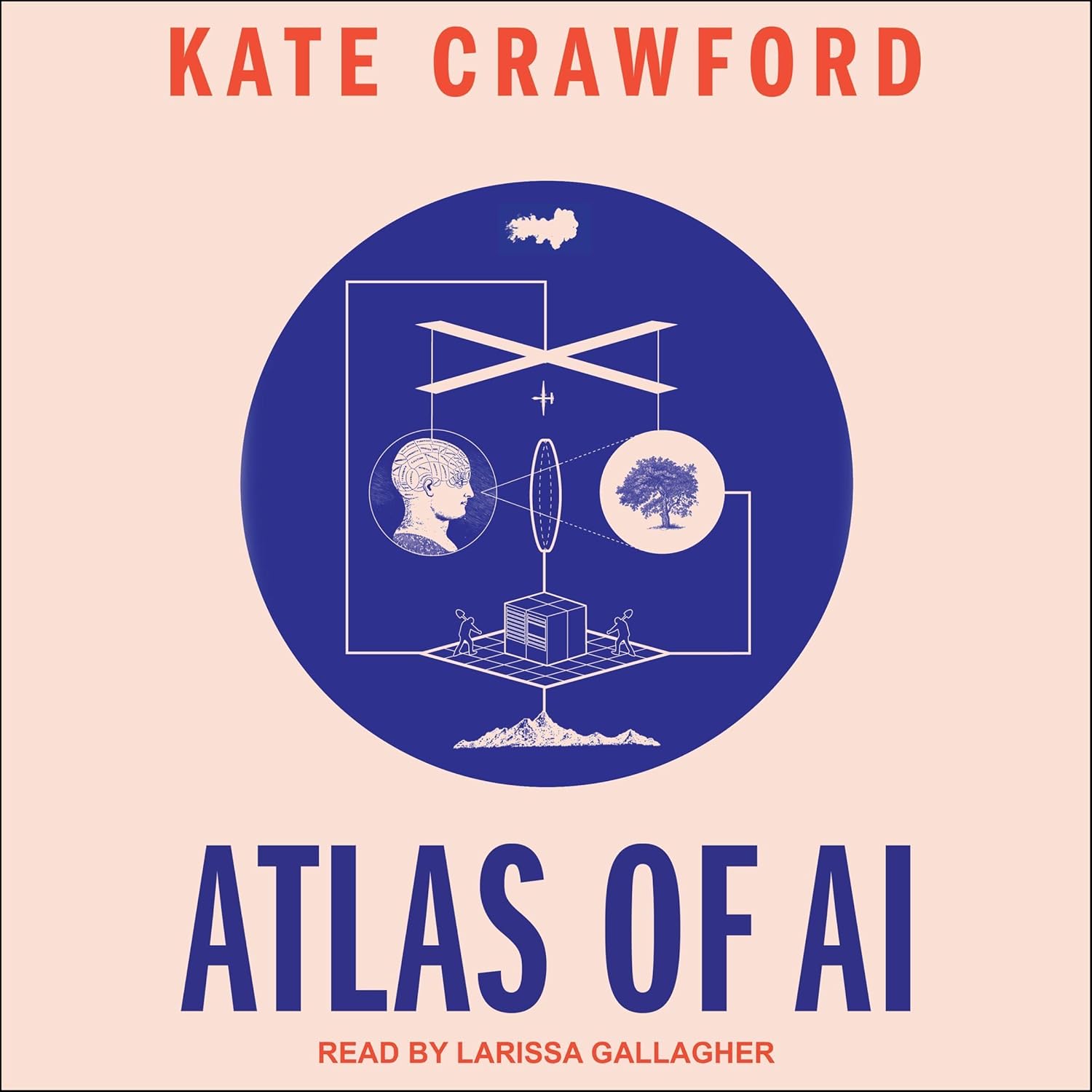
Listen now, and see the system behind the screens before the future listens to you. = > Atlas of AI$0.00 with trial. Read by Larissa Gallagher
A test of Mistral AI models from 3B to 24B parameters reveals which performs best for coding on a home machine, offering insights for developers seeking efficient local AI tools. This practical evaluation underscores the trade-offs between model size and usability in real-world scenarios. Source: Geeky Gadgets.
Korea’s “Independent AI Foundation Model Project” has released its first results, aiming to develop a globally competitive artificial intelligence model to reduce reliance on foreign technologies. This initiative reflects growing national efforts to secure AI sovereignty and foster domestic innovation. Source: 매일경제.
Meta is shifting to a closed AI model with its Avocado successor to Llama, moving away from open-source approaches to potentially enhance control and monetization. This strategic pivot could influence the broader AI ecosystem, balancing transparency with commercial interests. Source: MSN.
The Mixture of Experts (MoE) architecture is enabling trillion-parameter AI models to operate more efficiently, as analyzed in a 2024 trends report. This innovation allows for scaling models without proportional increases in computational costs, driving advancements in large language models. Source: Blockchain News.
A comparison between MoE and dense models explores cost, flexibility, and open-source opportunities in large language models, highlighting how architectural choices impact accessibility and performance. This analysis provides a framework for understanding trade-offs in AI development. Source: Blockchain News.
The Eurasia Group predicts that US-China tech co-dependence may grow by 2026, suggesting continued entanglement in AI and other critical technologies despite geopolitical tensions. This forecast points to complex interdependencies shaping global innovation and security. Source: MSN.
A month-long evaluation of top AI models identifies the best performers across various tasks, offering a user-centric perspective on practical applications and model effectiveness. This hands-on review helps demystify AI choices for everyday users and professionals. Source: Beebom.
Overall, these stories illustrate a landscape where AI advancements are driven by both technical innovations like MoE architectures and strategic decisions around openness and national interests. The convergence of practical testing, architectural efficiency, and geopolitical factors underscores AI’s multifaceted impact on technology and society.
We use cookies on our website to give you the most relevant experience by remembering your preferences and repeat visits. By clicking “Accept All”, you consent to the use of ALL the cookies. However, you may visit "Cookie Settings" to provide a controlled consent.
This website uses cookies to improve your experience while you navigate through the website. Out of these, the cookies that are categorized as necessary are stored on your browser as they are essential for the working of basic functionalities of the website. We also use third-party cookies that help us analyze and understand how you use this website. These cookies will be stored in your browser only with your consent. You also have the option to opt-out of these cookies. But opting out of some of these cookies may affect your browsing experience.
Necessary cookies are absolutely essential for the website to function properly. These cookies ensure basic functionalities and security features of the website, anonymously.
Cookie
Duration
Description
cookielawinfo-checkbox-analytics
11 months
This cookie is set by GDPR Cookie Consent plugin. The cookie is used to store the user consent for the cookies in the category "Analytics".
cookielawinfo-checkbox-functional
11 months
The cookie is set by GDPR cookie consent to record the user consent for the cookies in the category "Functional".
cookielawinfo-checkbox-necessary
11 months
This cookie is set by GDPR Cookie Consent plugin. The cookies is used to store the user consent for the cookies in the category "Necessary".
cookielawinfo-checkbox-others
11 months
This cookie is set by GDPR Cookie Consent plugin. The cookie is used to store the user consent for the cookies in the category "Other.
cookielawinfo-checkbox-performance
11 months
This cookie is set by GDPR Cookie Consent plugin. The cookie is used to store the user consent for the cookies in the category "Performance".
viewed_cookie_policy
11 months
The cookie is set by the GDPR Cookie Consent plugin and is used to store whether or not user has consented to the use of cookies. It does not store any personal data.
Functional cookies help to perform certain functionalities like sharing the content of the website on social media platforms, collect feedbacks, and other third-party features.
Performance cookies are used to understand and analyze the key performance indexes of the website which helps in delivering a better user experience for the visitors.
Analytical cookies are used to understand how visitors interact with the website. These cookies help provide information on metrics the number of visitors, bounce rate, traffic source, etc.
Advertisement cookies are used to provide visitors with relevant ads and marketing campaigns. These cookies track visitors across websites and collect information to provide customized ads.