Open Source Innovation: Security, AI, and Global Impact Trends

Analysis: The open source ecosystem is accelerating innovation across multiple fronts, with security, AI integration, and global collaboration emerging as dominant themes. This matters now because open source is no longer just about code—it’s becoming a critical infrastructure for everything from cybersecurity defense to AI development, requiring new governance models and international cooperation to manage risks and opportunities.

Sponsored:

Atlas of AI: Power, Politics, and the Planetary Costs of Artificial Intelligence - Audiobook
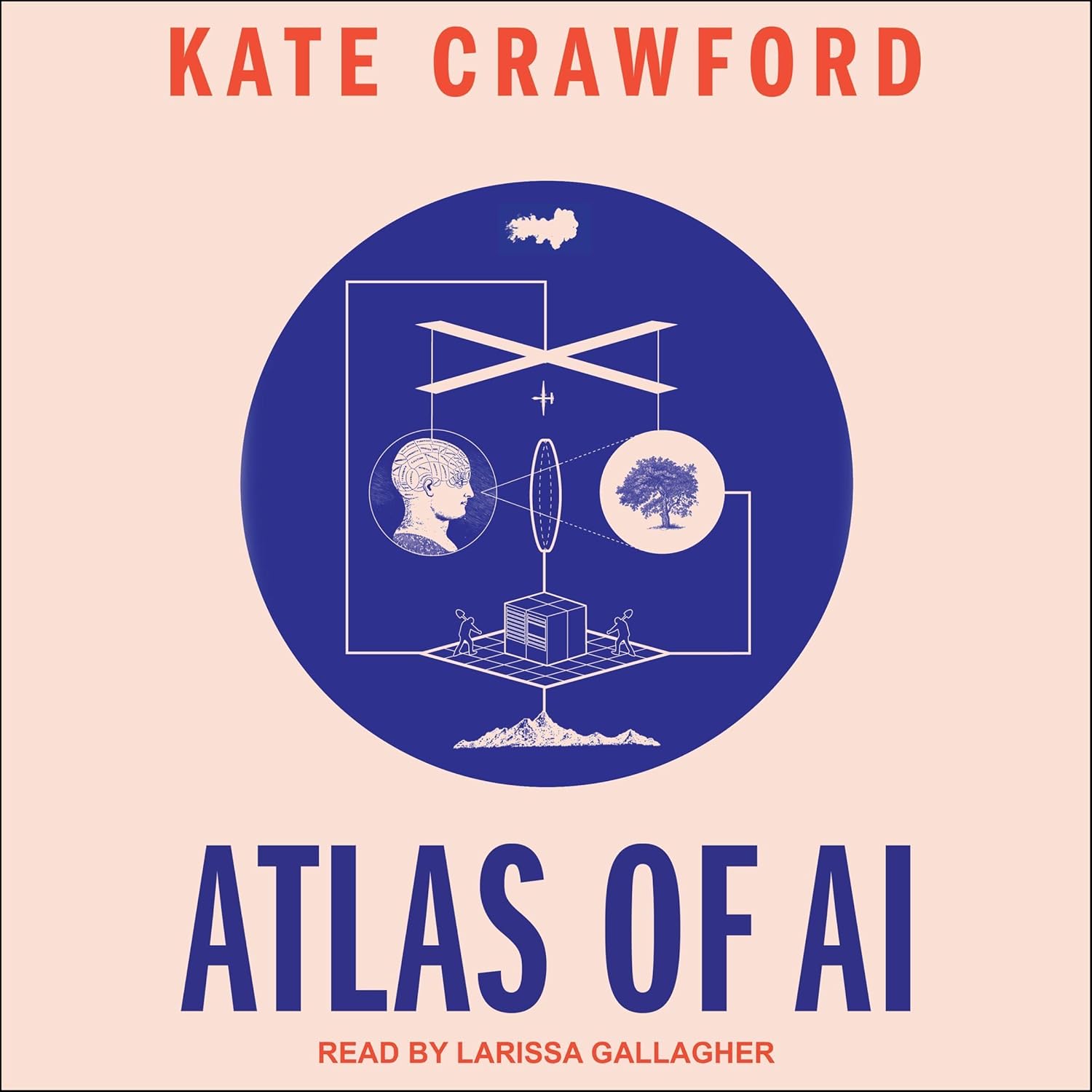

Uncover the true cost of artificial intelligence.

Listen now, and see the system behind the screens before the future listens to you. = > Atlas of AI $0.00 with trial. Read by Larissa Gallagher


The Key Developments:

Security and Governance in Focus: The push for secure, self-hosted solutions is gaining momentum as vulnerabilities and AI threats proliferate. Projects like Envpod, which offers self-hosted governance for AI agents with zero dependencies, and Open Riff Box, a GPLv3-licensed guitar effects processor, highlight a trend toward transparency and user control. Meanwhile, security advisories like SQUID-2026:1 and tools from Aikido Security at RSAC 2026 emphasize the need for proactive defense against threats, including AI-generated code. Bugcrowd’s focus on researcher earnings underscores the economic incentives driving crowdsourced security.

  • Envpod provides self-hosted governance for AI agents with a single binary and no daemon, promoting secure, independent management. (Source: Envpod)
  • Open Riff Box is a free, GPLv3-licensed guitar effects processor built with JUCE/C++, showcasing open source in creative tools. (Source: Open Riff Box)
  • SQUID-2026:1 advisory addresses a denial-of-service vulnerability in ICP request handling (CVE-2026-33526), highlighting ongoing security challenges. (Source: SQUID-2026 advisory)
  • Aikido Security discusses using AI pen testing to combat AI-generated code at RSAC 2026, reflecting new security paradigms. (Source: Aikido Security | RSAC 2026)
  • Bugcrowd emphasizes researcher earnings and program stickiness in crowdsourced security, pointing to economic trends. (Source: Bugcrowd – TipRanks)
  • AI and Open Source Convergence: AI is increasingly integrated into open source projects, from autonomous programming agents to governance tools. Google’s “Agent Smith” AI, which can program autonomously, and Envpod’s AI agent governance demonstrate how open source is enabling advanced AI capabilities while addressing ethical and operational concerns. This convergence is reshaping development workflows and raising questions about AI’s role in code generation and security.

  • Google’s “Agent Smith” AI can program autonomously, showcasing AI’s potential in software development. (Source: Google creó “Agente Smith” – La 100)
  • Envpod offers self-hosted governance for AI agents, addressing control and transparency in AI deployments. (Source: Envpod)
  • Global and Collaborative Growth: Open source is fostering international collaboration and modernization, with initiatives like CommonsDB at the Wikimedia Hackathon and China’s open-source modernization inspiring global development. These efforts highlight how open source transcends borders, enabling shared innovation and addressing common challenges, such as data accessibility in projects like MIMIC-III.

  • CommonsDB shows progress at the Wikimedia Hackathon Northwestern Europe, supporting collaborative data projects. (Source: CommonsDB at Wikimedia Hackathon)
  • China’s open-source modernization offers inspiration for global development, according to an expert. (Source: China’s open-source modernization – ANTARA News)
  • MIMIC-III faces issues with missing records like Ipratropium Bromide administration, illustrating data challenges in open source medical datasets. (Source: Cannot find record in MIMIC-III)
  • What to Watch Next:

  • AI Governance Standards: As AI agents like Google’s “Agent Smith” become more autonomous, watch for emerging open source frameworks and regulations to ensure ethical use and security in 2026-2027.
  • Global Open Source Policies: Monitor how China’s open-source modernization and other international initiatives influence global collaboration and technology sharing, potentially leading to new cross-border projects by late 2026.
  • Security Innovation: Expect increased investment in AI-driven security tools and crowdsourced platforms, with events like RSAC 2026 setting trends for defending against AI-generated threats in the coming year.