What are the key trends shaping open source today? This digest highlights three major themes: the impact of AI on development workflows, the critical role of open data and security, and the ongoing innovation across platforms and communities. Let’s dive into the questions people are asking about open source right now.
Sponsored:
Atlas of AI: Power, Politics, and the Planetary Costs of Artificial Intelligence - Audiobook
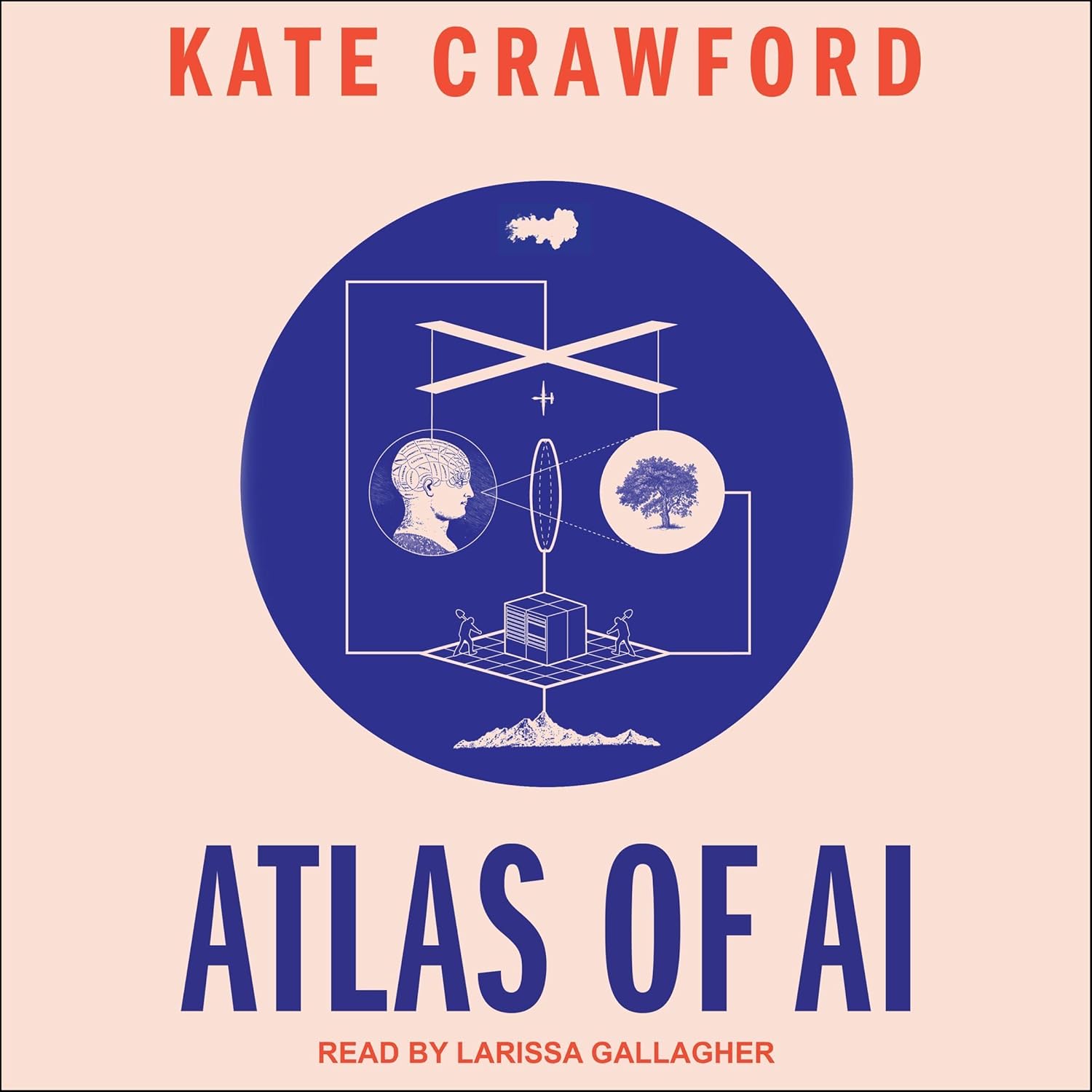
Uncover the true cost of artificial intelligence.
Listen now, and see the system behind the screens before the future listens to you. = > Atlas of AI $0.00 with trial. Read by Larissa Gallagher
How is AI affecting open source code quality? With tools like GitHub considering a ‘pull request kill switch’ to combat AI-generated low-quality code, the community is grappling with maintaining standards. This reflects a broader challenge of integrating AI responsibly without flooding repositories with ‘slop’ that undermines collaboration and trust.
Why is open data security more important than ever? Incidents like missing summary information in openFDA records underscore the need for robust data management. Open-source platforms are stepping up, with tools like Global Threat Map offering real-time situational awareness to help organizations monitor and respond to threats effectively, ensuring data integrity and public safety.
What innovations are driving open source forward? From a developer with cerebral palsy releasing a video editor to improved NTFS support in Linux, open source continues to break barriers. Projects like slowfetch show that even niche tools can foster creativity, while initiatives like preserving Bauchi’s history on Wikimedia demonstrate its cultural impact. In banking, strategies for scaling open source readiness highlight its growing enterprise adoption.
Here are the specific news stories supporting these insights: