Open Source Trends: AI, Security, and Community Growth

Today’s news digest reveals a dynamic landscape in open source, dominated by the intersection of artificial intelligence, cybersecurity, and community-driven initiatives. A key trend is the growing focus on AI integration and its challenges, with stories highlighting both innovative applications and critical vulnerabilities. For instance, the release of open-source AI models for Earth observation by ESA and IBM underscores a push towards collaborative, transparent AI development, while reports on AI project failures and security risks in tools like MCP point to the need for robust frameworks and ethical practices.

Sponsored:

Atlas of AI: Power, Politics, and the Planetary Costs of Artificial Intelligence - Audiobook
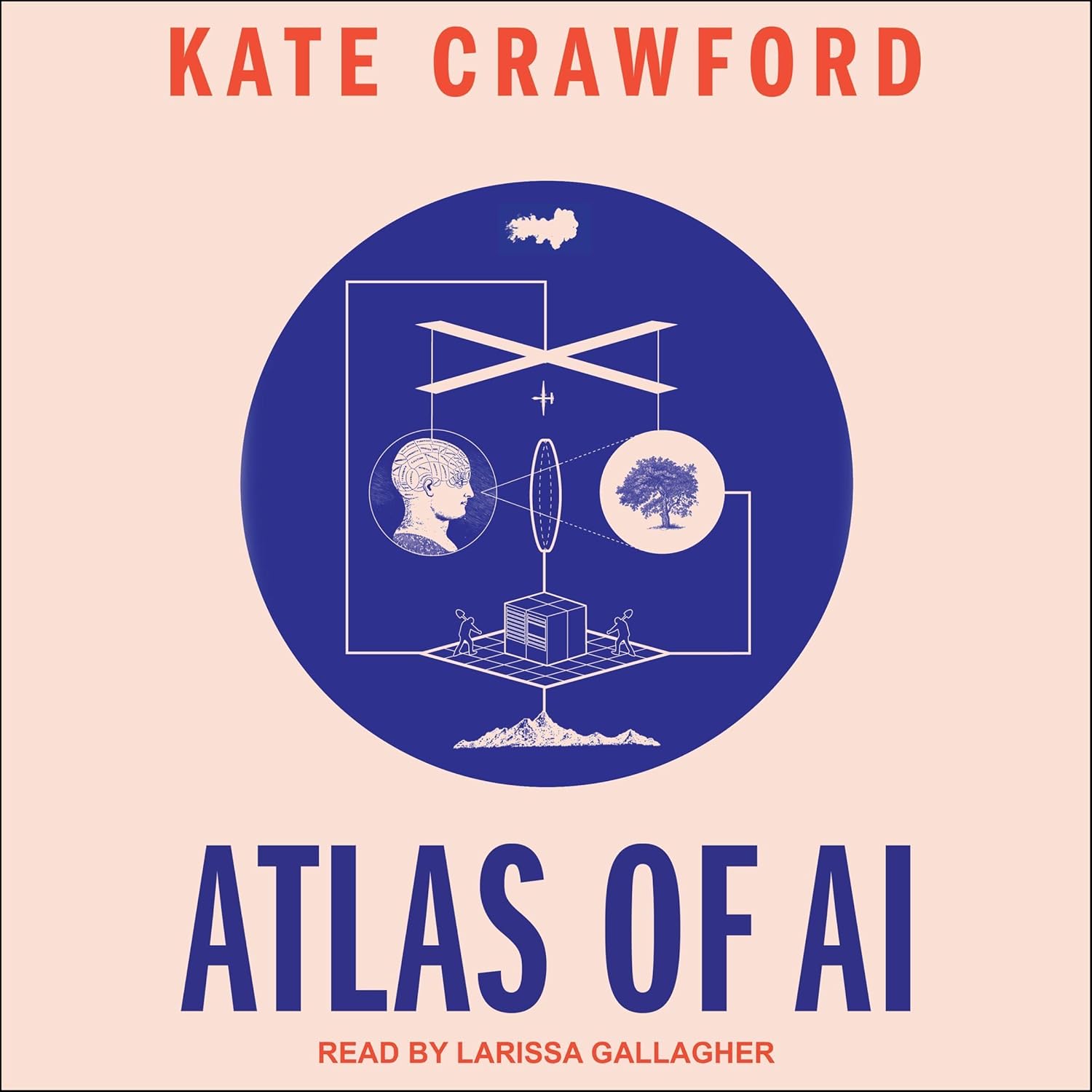

Uncover the true cost of artificial intelligence.

Listen now, and see the system behind the screens before the future listens to you. = > Atlas of AI $0.00 with trial. Read by Larissa Gallagher


Another significant pattern is the emphasis on security and trust in digital ecosystems. From discussions on digital sovereignty maturity to the exposure of reputation farming by AI agents, there’s a clear call for scalable trust frameworks and secure authentication solutions like Authentik. This aligns with ongoing security audits, such as for zlib, reflecting a proactive stance in maintaining open-source integrity.

Community and knowledge-sharing initiatives also stand out, particularly in fostering diversity and skill development. Programs like the Africa Wiki Women Leadership and Mentorship Fellows aim to build inclusive futures in open knowledge, complementing practical guides on tools like Git and Docker that empower developers to enhance their workflows and avoid technical debt.


  • Google I/O 2026 is scheduled for May 19-20, as reported by diarioestrategia.cl.
  • Ecosystem-specific trust frameworks face scalability issues across data spaces, per an analysis on trust frameworks.
  • The 2026 Africa Wiki Women Leadership and Mentorship Fellows are building women-led futures in open knowledge, from a fellowship announcement.
  • ESA and IBM have open-sourced an AI model for Earth observation, according to a news release.
  • Socket uncovered an AI agent reputation farming to promote paid OpenClaw services, reported by Cybersecurity Insiders.
  • An article on MuyComputerPRO discusses how to evaluate digital sovereignty maturity.
  • 90% of AI projects fail, with tips to avoid this, from an analysis on AI project success.
  • Mi Browser’s new AI features are changing user preferences, as shared by XiaomiTime.
  • MCP brings few benefits but security vulnerabilities to many developers, per a report on hype vs. solutions.
  • A guide on setting up Git for simultaneous fetch/push to multiple remotes is available, from a technical tutorial.
  • A resource for learning Docker from scratch is highlighted in a learning guide.
  • Luma AI and the Middle East’s role as a global AI hub are explored in an article on AI frontiers.
  • Authentik is touted as the best secure sign-in solution for self-hosted services, per MSN.
  • Crow-Eye v0.7.1 features smarter semantic mapping and sharper identity engines, from a release announcement.
  • Apple’s special experience events for March 4th are noted in a news item.
  • A security audit of zlib by 7asecurity is discussed in a forum post.
  • A warning against checking admin to avoid technical debt is shared in a community tip.