The open-source landscape is rapidly evolving, driven by advancements in artificial intelligence, heightened security concerns, and global economic shifts. As AI tools like Chrome’s AI agent and OpenClaw AI Agents emerge, they promise to revolutionize tasks such as web navigation and personal assistance, but they also introduce significant security risks and ethical dilemmas.
Sponsored:
Atlas of AI: Power, Politics, and the Planetary Costs of Artificial Intelligence - Audiobook
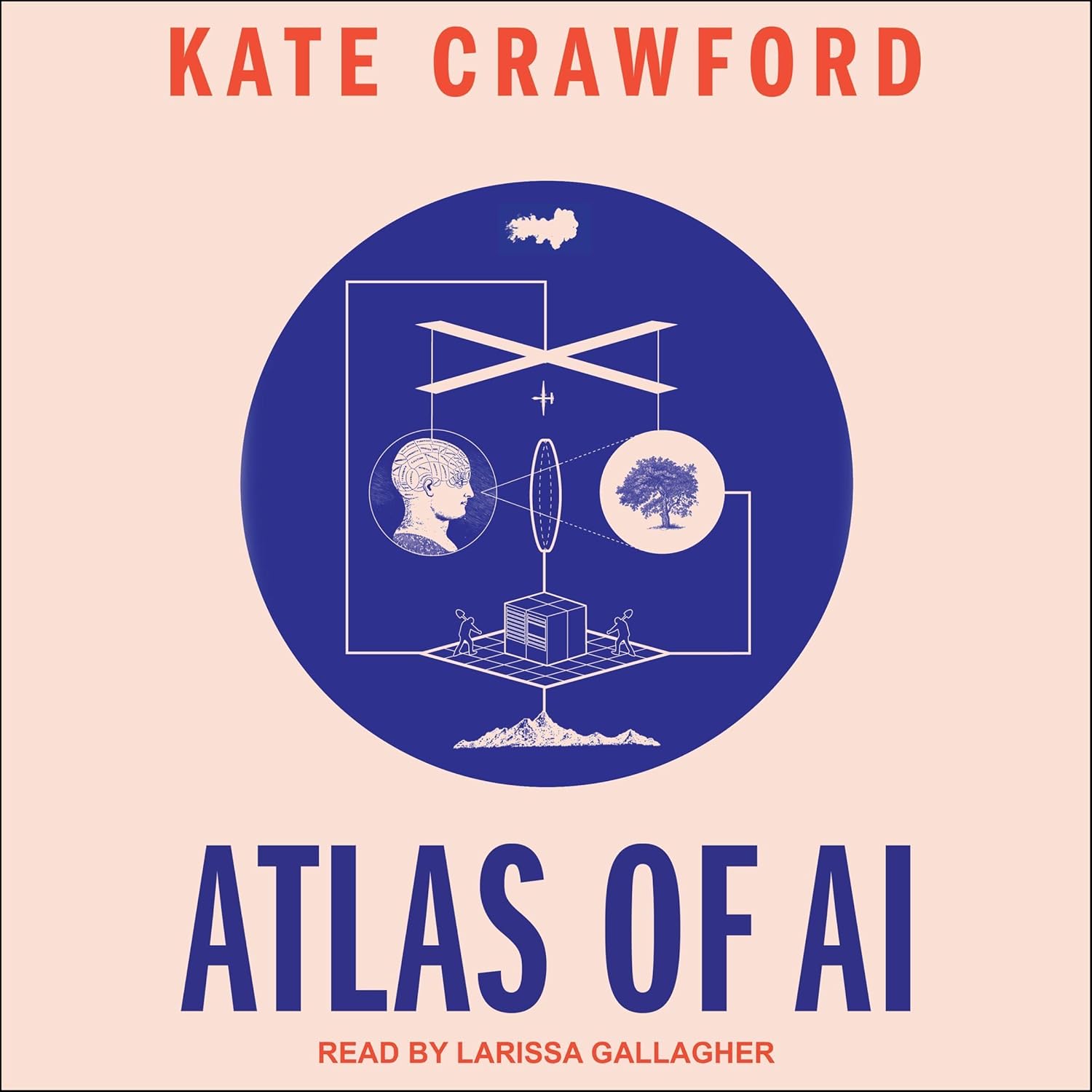
Uncover the true cost of artificial intelligence.
Listen now, and see the system behind the screens before the future listens to you. = > Atlas of AI $0.00 with trial. Read by Larissa Gallagher
For instance, AI-driven automation could lead to the decline of traditional open-source projects, as seen with Tailwind CSS, where large language models might reduce community contributions. This trend underscores the need for developers to adapt by focusing on innovation and robust security practices to prevent potential disasters.
Simultaneously, the open-source community faces growing security challenges, highlighted by issues like Wireguard’s negative handshake and firmware vulnerabilities in IoT devices. These threats emphasize the importance of proactive cybersecurity measures and collaborative efforts to safeguard digital infrastructures.
On a broader scale, global initiatives, such as India’s tax incentives for data centers and Wikipedia’s 25th anniversary, reflect the expanding influence of open-source principles in fostering innovation and knowledge sharing worldwide. For enthusiasts and professionals, staying informed about these trends is crucial to navigating the future of open source effectively.
- OpenVMS 9.2-3 x64 now supports local console on OPA0, enhancing system accessibility. (Source: Original news item)
- A new library automates Excel parsing, reducing manual effort for developers. (Source: Original news item)
- Wikipedia celebrates its 25th anniversary with a docuseries, highlighting its open-source impact. (Source: Original news item)
- India offers tax holidays until 2047 to attract big tech for data center investments. (Source: Analytics India Magazine)
- Chrome’s AI agent for web navigation underperforms in user tests, raising questions about AI reliability. (Source: elperiodico.digital)
- Tailwind CSS discusses the potential end of open-source projects due to LLM advancements. (Source: Original news item)
- OpenClaw AI Agents by 2026 could become assistants or security disasters, emphasizing risk management. (Source: Frontline Magazine)
- Wireguard faces issues with negative handshake, highlighting ongoing security challenges. (Source: Original news item)
- Firmware 2.0 #60 addresses IoT and cybersecurity updates, crucial for device safety. (Source: Original news item)
- Untitled Linux Show 240 covers latest developments in the Linux community. (Source: Original news item)